Homemade Pumpkin Pie
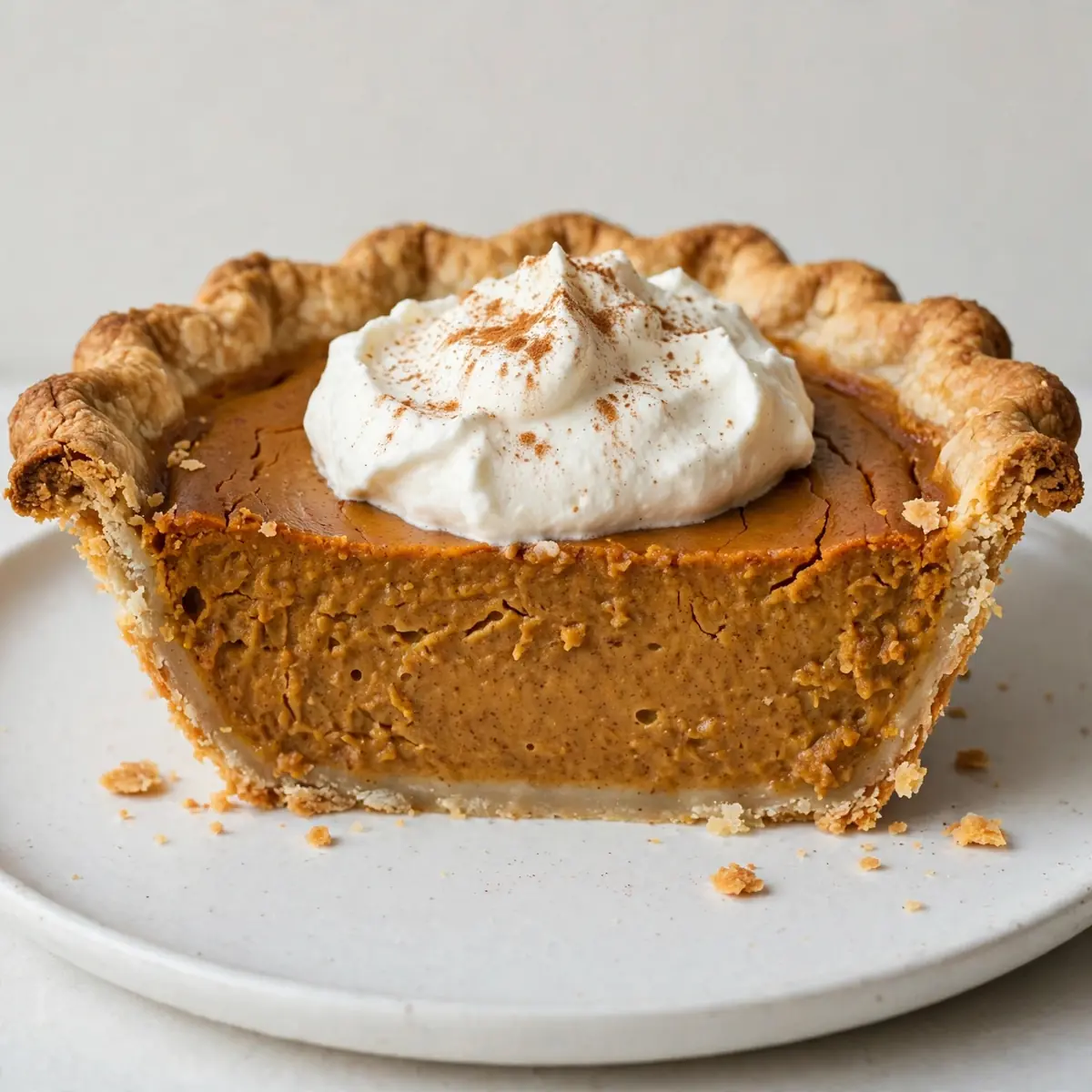
There are certain weekends that call for nothing more than a slow, deliberate kitchen project, and for me, that project is a Homemade Pumpkin Pie. It’s not about rushing; it’s about the quiet rhythm of rolling pastry, the heady scent of cinnamon and ginger blooming in the oven, and the sheer satisfaction of pulling a perfectly set, golden pie from the heat. This is the recipe I reach for when I want to slow down and savour the process as much as the final, glorious slice.
Recipe Overview
- Prep Time: 45 minutes (includes chilling time for the pastry)
- Cook Time: 55 minutes
- Total Time: 1 hour 40 minutes (plus 2-4 hours cooling time)
- Servings: 8 generous slices
- Difficulty: Medium
Why You’ll Love This Homemade Pumpkin Pie
- Deeply Spiced and Fragrant: We build layers of flavour with freshly grated nutmeg and a touch of black pepper, which lifts the sweetness without being overpowering.
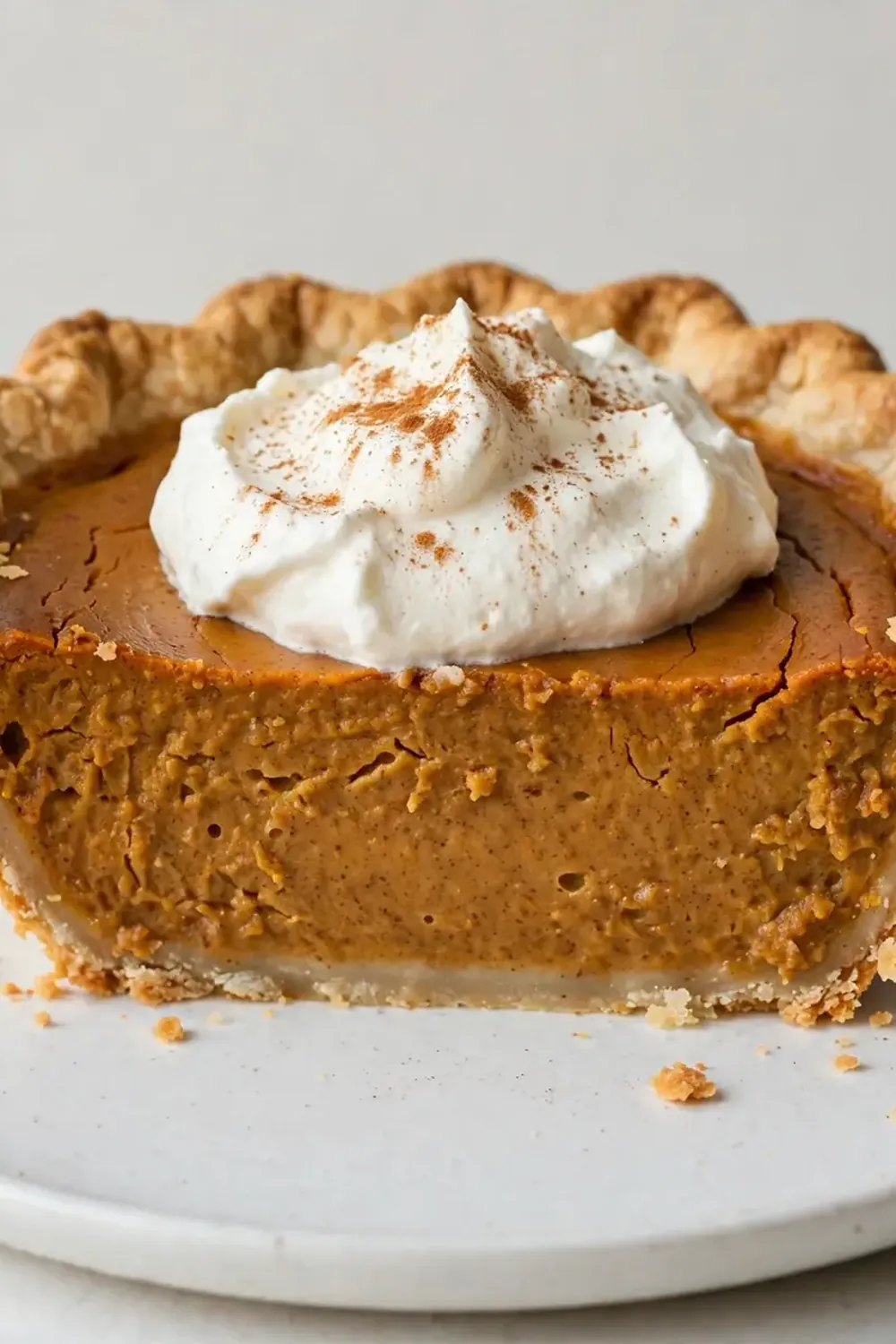
- Silky, Not Soggy: The filling bakes to a luscious, wobble-free custard that holds its shape beautifully when sliced.
- All-Butter Pastry That Actually Stays Crisp: A clever tip ensures the base remains flaky and dry, even under the moist filling.
- Perfectly Balanced Sweetness: This isn’t a cloyingly sweet pie; the natural earthiness of the pumpkin shines through, complemented by a gentle sweetness.
- A True Weekend Project: From making the pastry to watching it cool on the wire rack, every step is a small act of comfort and mindfulness.
Ingredients You’ll Need
- For the Pastry:
- 250g plain flour, plus extra for dusting
- 1 tablespoon caster sugar
- ½ teaspoon fine sea salt
- 170g cold unsalted butter, cut into small cubes
- 4-6 tablespoons ice-cold water
- For the Filling:
- 425g pumpkin purée (from a tin or homemade, see tip below)
- 200ml double cream
- 100g light brown sugar, packed
- 50g caster sugar
- 3 large free-range eggs, lightly beaten
- 2 teaspoons ground cinnamon
- 1 teaspoon ground ginger
- ½ teaspoon freshly grated nutmeg
- ¼ teaspoon ground cloves
- ¼ teaspoon fine sea salt
- A generous pinch of freshly ground black pepper
- 1 teaspoon vanilla extract
Tip: If using homemade pumpkin purée, be sure to drain it in a sieve lined with muslin or a clean tea towel for at least 2 hours. You want it thick and not watery, otherwise your pie will be loose. I make this at least once a week during autumn – it’s become a family favourite for our Sunday lunches.
How to Make Homemade Pumpkin Pie
- Make the pastry: In a large bowl, whisk the flour, sugar, and salt together. Add the cold butter cubes. Using your fingertips, rub the butter into the flour until the mixture resembles coarse breadcrumbs with some pea-sized butter lumps still visible. You should feel the cool, grainy texture of the flour and butter. Drizzle in the ice-cold water, a tablespoon at a time, and stir with a knife until the dough just comes together. It shouldn’t be sticky, but it should hold when pinched.
- Chill the dough: Turn the dough out onto a lightly floured surface. Gently bring it together into a disc about 2cm thick. Wrap it tightly in cling film and refrigerate for at least 30 minutes, or up to 2 days. This resting period, as I used to struggle with shrinking pastry until I discovered this technique, allows the gluten to relax, preventing the crust from shrinking during baking.
- Blind bake the crust: Preheat your oven to 200°C (180°C fan). On a lightly floured surface, roll the chilled dough out to a circle about 30cm in diameter and 3-4mm thick. You’ll hear the faint crackle of the butter as it rolls. Carefully lift the dough into a 23cm fluted tart tin (preferably with a removable base). Press it gently into the corners. Trim the excess dough by rolling your pin over the top of the tin. Line the pastry with a sheet of parchment paper and fill with baking beans or dried rice. Bake for 15 minutes, then remove the paper and beans. The pastry will look pale and matte. Return to the oven for a further 8-10 minutes, until it is a light, biscuit-gold colour and smells wonderfully toasty.
- Lower the oven temperature: Reduce the oven temperature to 170°C (150°C fan). While the crust cools slightly, make the filling.
- Whisk the filling: In a large bowl, whisk together the pumpkin purée, double cream, both sugars, beaten eggs, all the spices (cinnamon, ginger, nutmeg, cloves, black pepper), salt, and vanilla extract. Whisk until completely smooth and glossy. The colour should be a deep, uniform burnt orange, and the aroma of warm spices will fill your kitchen.
- Fill and bake: Place the blind-baked pastry shell on a baking tray (this helps catch any drips and distributes heat evenly). Pour the filling carefully into the warm crust. It will fill the tin right to the brim. Gently transfer the tray to the oven.
- Bake until set: Bake for 45-55 minutes. The pie is ready when the edges are puffed and set, but the centre still has a slight, gentle wobble – like a firm jelly. The surface will be a rich, burnished amber. A knife inserted 5cm from the edge should come out clean. If the crust edges are browning too quickly, loosely cover them with a strip of foil or a pie shield after 30 minutes.
- Cool completely: Place the pie on a wire cooling rack and let it cool to room temperature, which will take at least 2-3 hours. As it cools, the filling will continue to set. The faint, sweet scent of spice will linger in the air. Do not be tempted to slice it warm, or the filling will be runny.
Tips From My Kitchen
- Keep everything cold for the pastry: The key to a flaky crust is keeping the butter cold. If your kitchen is warm, pop the flour bowl in the fridge for 10 minutes before you start. If the dough feels greasy or sticky at any point, chill it again. This ensures the butter creates steam pockets in the oven, giving you those lovely, shattering layers.
- Don’t skip the black pepper: It might sound odd, but a pinch of freshly ground black pepper is my secret weapon. It doesn’t make the pie spicy; it simply deepens the flavour of the other spices and cuts through the richness of the cream, creating a much more complex and interesting taste.
- Blind bake thoroughly: A half-baked crust is the number one cause of a soggy bottom. The second bake after removing the beans is essential. You want the pastry to be fully cooked and golden before the liquid filling even touches it. This creates a barrier that stops the moisture from seeping in.
- Use a baking tray: Always place your pie tin on a baking tray before putting it in the oven. This not only catches any drips but also helps the base of the pie cook more evenly, preventing a raw, doughy centre.
- Check for doneness with a jiggle: An overbaked pumpkin pie will crack and become rubbery. Rely on the jiggle test. When the pie is done, the centre should wobble slightly, like a set custard. It will firm up perfectly as it cools. The residual heat will finish the cooking process.
Equipment You’ll Need
- 23cm fluted tart tin with a removable base
- Rolling pin
- Large mixing bowls
- Baking beans or dried rice
- Baking tray
- Parchment paper
- Wire cooling rack
- Box grater (for the nutmeg)
Common Mistakes to Avoid
- Overworking the pastry: If you knead the dough too much, the gluten will develop and the crust will be tough and chewy, not tender and flaky. Mix until it just comes together, then stop. Handle it as little as possible.
- Baking at the wrong temperature: An oven that is too hot will cause the custard to curdle and crack, while an oven that is too cool will result in a long, uneven bake and a soggy crust. Stick to the 170°C (150°C fan) mark for a gentle, even set.
- Skipping the cooling time: This is the hardest step to wait for, but it is non-negotiable. Slicing into a warm pie releases all the steam, causing the custard to collapse and turn into a soupy mess. Resting allows the starches and eggs to fully set, giving you those clean, beautiful slices.
Delicious Variations to Try
- Spicy Version: Add ½ teaspoon of cayenne pepper along with the other spices, and swap the vanilla extract for 1 teaspoon of orange zest. The warmth builds slowly and pairs wonderfully with the sweet pumpkin.
- Vegan Option: Replace the double cream with full-fat coconut cream (the solid part from a tin of coconut milk). Use a flax egg (1 tablespoon ground flaxseed mixed with 3 tablespoons water, left to gel for 10 minutes) for each of the 3 eggs. The pastry can be made with a solid vegan butter block.
- Bourbon-Maple Twist: (Note: This is a non-alcohol substitution) Replace the vanilla extract with 1 teaspoon of maple extract, and use 100ml of strong black tea in place of some of the cream for a deep, woody flavour reminiscent of the original pairing.
What to Serve With Homemade Pumpkin Pie
- A generous dollop of softly whipped double cream, lightly sweetened with icing sugar.
- A scoop of good-quality vanilla or caramel ice cream.
- A drizzle of warm maple syrup or a sprinkle of toasted pecans.
- A strong cup of black coffee or a pot of spiced chai tea to complement the warm flavours. If you’re planning a full weekend menu, this pie pairs beautifully with a savoury main course like Grilled Flank Steak With Garlic Marinade or something lighter like Baked Lemon Herb Cod.
Frequently Asked Questions
Homemade Pumpkin Pie
Ingredients
Method
-
Make the pastry: In a large bowl, whisk the flour, sugar, and salt together. Add the cold butter cubes. Using your fingertips, rub the butter into the flour until the mixture resembles coarse breadcrumbs with some pea-sized butter lumps still visible. You should feel the cool, grainy texture of the flour and butter. Drizzle in the ice-cold water, a tablespoon at a time, and stir with a knife until the dough just comes together. It shouldn’t be sticky, but it should hold when pinched.
-
Chill the dough: Turn the dough out onto a lightly floured surface. Gently bring it together into a disc about 2cm thick. Wrap it tightly in cling film and refrigerate for at least 30 minutes, or up to 2 days. This resting period, as I used to struggle with shrinking pastry until I discovered this technique, allows the gluten to relax, preventing the crust from shrinking during baking.
-
Blind bake the crust: Preheat your oven to 200°C (180°C fan). On a lightly floured surface, roll the chilled dough out to a circle about 30cm in diameter and 3-4mm thick. You’ll hear the faint crackle of the butter as it rolls. Carefully lift the dough into a 23cm fluted tart tin (preferably with a removable base). Press it gently into the corners. Trim the excess dough by rolling your pin over the top of the tin. Line the pastry with a sheet of parchment paper and fill with baking beans or dried rice. Bake for 15 minutes, then remove the paper and beans. The pastry will look pale and matte. Return to the oven for a further 8-10 minutes, until it is a light, biscuit-gold colour and smells wonderfully toasty.
-
Lower the oven temperature: Reduce the oven temperature to 170°C (150°C fan). While the crust cools slightly, make the filling.
-
Whisk the filling: In a large bowl, whisk together the pumpkin purée, double cream, both sugars, beaten eggs, all the spices (cinnamon, ginger, nutmeg, cloves, black pepper), salt, and vanilla extract. Whisk until completely smooth and glossy. The colour should be a deep, uniform burnt orange, and the aroma of warm spices will fill your kitchen.
-
Fill and bake: Place the blind-baked pastry shell on a baking tray (this helps catch any drips and distributes heat evenly). Pour the filling carefully into the warm crust. It will fill the tin right to the brim. Gently transfer the tray to the oven.
-
Bake until set: Bake for 45-55 minutes. The pie is ready when the edges are puffed and set, but the centre still has a slight, gentle wobble – like a firm jelly. The surface will be a rich, burnished amber. A knife inserted 5cm from the edge should come out clean. If the crust edges are browning too quickly, loosely cover them with a strip of foil or a pie shield after 30 minutes.
-
Cool completely: Place the pie on a wire cooling rack and let it cool to room temperature, which will take at least 2-3 hours. As it cools, the filling will continue to set. The faint, sweet scent of spice will linger in the air. Do not be tempted to slice it warm, or the filling will be runny.
Notes
And there you have it – a truly wonderful Homemade Pumpkin Pie, born from a weekend of gentle effort and delicious smells. It’s the kind of dessert that makes the whole house feel cosy and cared for. I’d love to hear how you get on with it, or if you have your own little twist on the classic. Please do share your thoughts and photos in the comments below – happy baking!