Quick 15-Minute Cast Iron Skillet Pizza
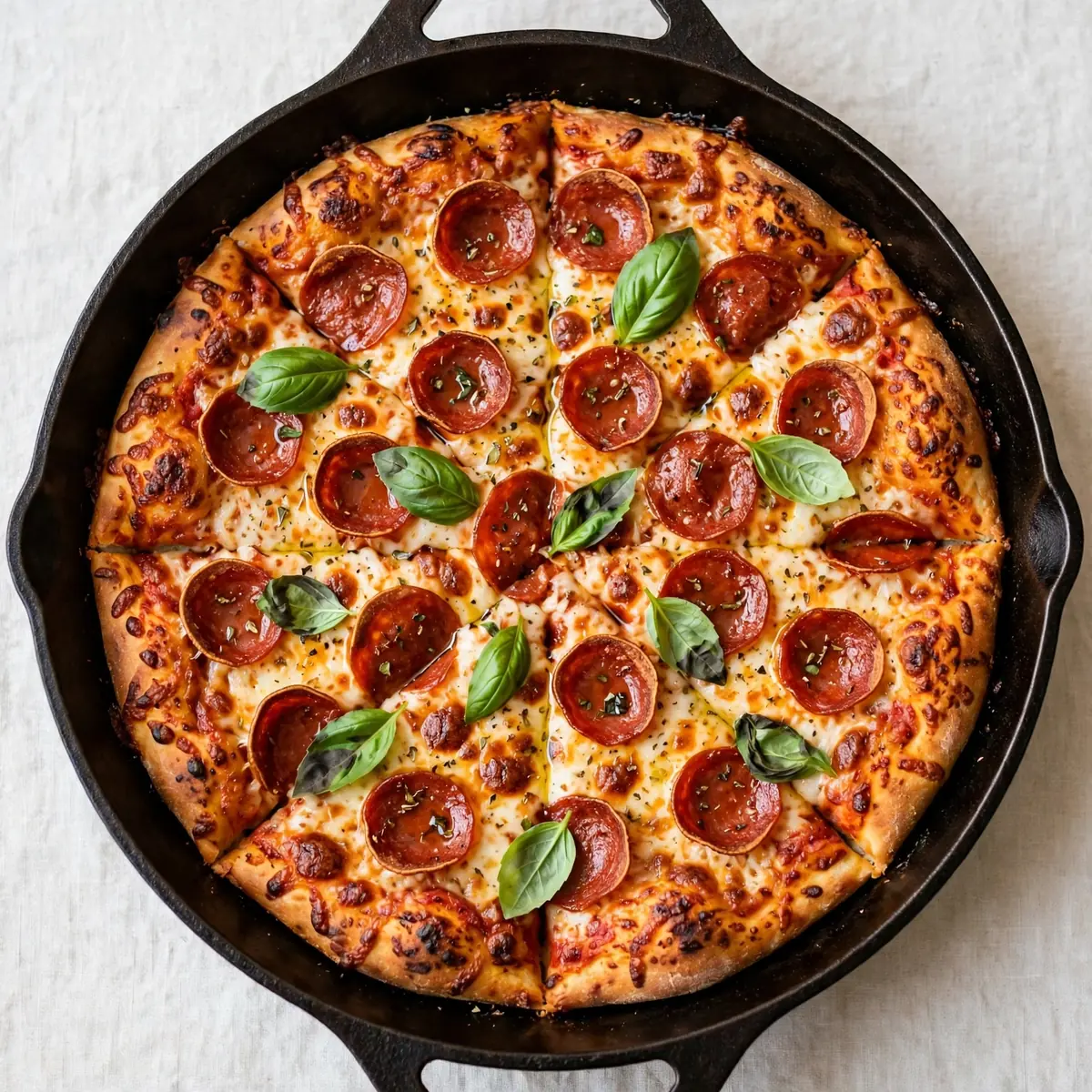
Some nights, you just need dinner on the table in under thirty minutes with a pile of washing-up that fits in one hand. That’s how this cast iron skillet pizza became my weeknight secret weapon—crisp, bubbled crust without turning on the oven for an hour, and the whole thing cooks in the pan you serve it from.
Recipe Overview
- Prep time: 10 minutes (plus 30 minutes resting if you make the dough ahead)
- Cook time: 12–15 minutes
- Total time: 25 minutes
- Servings: 4 (two 10-inch pizzas, or one large 12-inch pizza to share)
- Difficulty: Easy
Why You’ll Love This Cast Iron Skillet Pizza
- Ready in under half an hour: No need to wait for a stone to heat or a dough to prove for hours—this comes together fast enough for a Tuesday evening.
- One pan to wash: The skillet does the work of both baking tray and serving dish, so you’re left with a single dirty pan and a few utensils.
- Perfectly crisp crust every time: The cast iron delivers intense bottom heat that creates a golden, crunchy base while the top stays tender and chewy.
- Make-ahead friendly: Prep the dough, sauce, and toppings the night before, then assemble and cook in minutes when you walk through the door.
- Kids can help: Pressing the dough into the cold skillet and sprinkling on toppings is a job even little hands can manage—my kids absolutely devour this every time I make it.

Ingredients You’ll Need
- 300 g strong bread flour (plus extra for dusting)
- 1 teaspoon instant yeast
- 1 teaspoon fine sea salt
- 1 tablespoon olive oil (plus extra for the pan)
- 200 ml warm water
- 150 ml passata or good-quality tomato sauce
- 2 cloves garlic, minced
- 1 teaspoon dried oregano
- 150 g mozzarella, torn into small pieces
- 100 g cooked chicken breast, shredded or diced
- 50 g sliced mushrooms
- Handful of fresh basil leaves (optional, for serving)
Tip: If you’re short on time, use a 250 g ball of shop-bought pizza dough from the chilled section. Just let it come to room temperature for 15 minutes before you start—it will be much easier to stretch without springing back.
How to Make Cast Iron Skillet Pizza
- Make the dough: In a large bowl, combine the flour, yeast, and salt. Add the olive oil and warm water, then stir with a wooden spoon until a shaggy dough forms. Tip onto a lightly floured surface and knead for 4–5 minutes until the dough feels smooth and elastic, like a soft earlobe. Sensory cue: The dough should bounce back when you press it gently with a fingertip.
- First rest: Place the dough back in the bowl, cover with a clean tea towel, and leave at room temperature for 15 minutes. This short rest relaxes the gluten so the dough stretches without tearing. Sensory cue: After resting, the dough will feel noticeably softer and more pliable to the touch.
- Preheat the skillet: Place your cast iron skillet on the hob over medium-high heat. Add a drizzle of olive oil and let it warm for 2 minutes. Sensory cue: You’ll see a faint shimmer on the oil’s surface, and a drop of water flicked into the pan will sizzle instantly.
- Stretch the dough: On a floured surface, press the dough into a round about 25 cm across. Don’t use a rolling pin—use your fingertips to press from the centre outward, leaving a slightly thicker rim for the crust. Sensory cue: The dough should look slightly puffy and hold its shape without shrinking back.
- Cook the base: Carefully lay the dough into the hot skillet. It will start sizzling immediately. Cook for 2–3 minutes without moving it. Sensory cue: The underside will turn a deep golden brown, and you’ll smell a toasty, nutty aroma as the flour caramelises.
- Add the sauce and toppings: Spread the passata over the base, leaving a 1 cm border. Sprinkle the minced garlic and oregano over the sauce, then scatter the mozzarella pieces, chicken, and mushrooms evenly. Sensory cue: The cheese should sit in clusters rather than a solid blanket—this gives you browned, blistered spots later.
- Finish on the hob or under the grill: Cover the skillet with a lid or a baking sheet and cook over medium heat for 5–7 minutes, until the cheese melts and the edges look set. For a browned top, slide the skillet under a hot grill for 2–3 minutes. Sensory cue: The cheese will bubble and turn patchy brown in places, and the crust edges will look crisp and slightly charred.
- Rest and serve: Carefully remove the skillet (the handle will be scorching hot) and let the pizza rest for 2 minutes. Scatter fresh basil leaves on top if you like, then slice and serve straight from the pan. Sensory cue: When you lift a slice, the base should hold firm without sagging, and the cheese should stretch in long, glossy strands.
Tips From My Kitchen
- Use a cold start for thicker dough: If you prefer a thicker, more focaccia-like base, press the dough into a cold oiled skillet and then place it on the heat. This gives the dough a few extra minutes to puff before the bottom sets, creating a lighter interior with a crunchy crust.
- Pre-cook watery toppings: Mushrooms, courgettes, and pineapple release liquid as they heat, which can make your pizza soggy. Sauté them in a dry pan for 2 minutes beforehand, or pat them dry with kitchen paper. I stumbled upon this combination by accident, and it’s been a hit ever since—the toppings stay concentrated and flavourful.
- Make the dough in the morning: Mix the dough, cover the bowl with cling film, and leave it in the fridge for up to 8 hours. The slow cold prove develops deeper flavour, and the dough is ready to shape straight from the fridge with no need for a second rest.
- Double the batch for later: Make two dough balls at once. Cook one pizza straight away, then press the second ball into a disc, wrap it in baking paper, and freeze it. On a busy night, cook it from frozen—just add 4–5 minutes to the hob time.
- Get the cheese right: Low-moisture mozzarella (the block kind, not the fresh balls in brine) melts more evenly and browns better for skillet pizza. If you only have fresh mozzarella, pat it dry with paper towels and tear it into small pieces to avoid a watery pool on top.
Equipment You’ll Need
- Large frying pan or cast iron skillet (25–30 cm)
- Sharp knife and cutting board
- Mixing bowls
- Wooden spoon or spatula
- Tea towel or cling film for covering dough
- Lid or baking sheet to cover the skillet
Common Mistakes to Avoid
- Overcrowding the pan: Piling on too many toppings traps steam underneath, turning your crisp base into a soggy mess. Stick to a single layer of sauce, cheese, and three toppings maximum—the skillet’s high heat needs space to work.
- Wrong temperature: If the pan is too cool, the dough absorbs oil and turns greasy; if it’s too hot, the outside burns before the centre cooks. Medium-high heat is the sweet spot—you should hear a steady sizzle when the dough hits the pan, not a frantic crackle.
- Skipping the rest time: Even a 10-minute rest after kneading makes the dough far more cooperative. Without it, the gluten fights back, and you’ll end up with a tough, shrunken base that snaps rather than stretches.
Delicious Variations to Try
- Spicy Version: Add 1 teaspoon of chilli flakes to the passata, and scatter sliced fresh red chilli over the top before grilling. A drizzle of chilli oil after cooking adds an extra kick.
- Vegetarian/Vegan Option: Swap the chicken for roasted red peppers, artichoke hearts, and black olives. Use a vegan mozzarella-style shred that melts well, or skip the cheese altogether and finish with a spoonful of cashew cream or pesto.
- Different Protein: Use shredded cooked beef from a Classic Beef Pot Roast With Gravy for a rich, savoury topping. Alternatively, leftover Grilled Chicken With Mango Salsa adds a lovely sweet-savoury contrast.
What to Serve With Cast Iron Skillet Pizza
- A simple green salad with lemon juice and olive oil—the acidity cuts through the rich cheese.
- Garlic knots or breadsticks made from any leftover pizza dough, brushed with garlic butter and baked in the same skillet.
- Roasted cherry tomatoes on the vine, seasoned with salt and oregano, served alongside for a pop of sweetness.
Still hungry for ideas? You might also love Tender Country Fried Steak Cast Iron from our sister kitchens.
Frequently Asked Questions
Cast Iron Skillet Pizza
Ingredients
Method
-
Make the dough: In a large bowl, combine the flour, yeast, and salt. Add the olive oil and warm water, then stir with a wooden spoon until a shaggy dough forms. Tip onto a lightly floured surface and knead for 4–5 minutes until the dough feels smooth and elastic, like a soft earlobe. Sensory cue: The dough should bounce back when you press it gently with a fingertip.
-
First rest: Place the dough back in the bowl, cover with a clean tea towel, and leave at room temperature for 15 minutes. This short rest relaxes the gluten so the dough stretches without tearing. Sensory cue: After resting, the dough will feel noticeably softer and more pliable to the touch.
-
Preheat the skillet: Place your cast iron skillet on the hob over medium-high heat. Add a drizzle of olive oil and let it warm for 2 minutes. Sensory cue: You’ll see a faint shimmer on the oil’s surface, and a drop of water flicked into the pan will sizzle instantly.
-
Stretch the dough: On a floured surface, press the dough into a round about 25 cm across. Don’t use a rolling pin—use your fingertips to press from the centre outward, leaving a slightly thicker rim for the crust. Sensory cue: The dough should look slightly puffy and hold its shape without shrinking back.
-
Cook the base: Carefully lay the dough into the hot skillet. It will start sizzling immediately. Cook for 2–3 minutes without moving it. Sensory cue: The underside will turn a deep golden brown, and you’ll smell a toasty, nutty aroma as the flour caramelises.
-
Add the sauce and toppings: Spread the passata over the base, leaving a 1 cm border. Sprinkle the minced garlic and oregano over the sauce, then scatter the mozzarella pieces, chicken, and mushrooms evenly. Sensory cue: The cheese should sit in clusters rather than a solid blanket—this gives you browned, blistered spots later.
-
Finish on the hob or under the grill: Cover the skillet with a lid or a baking sheet and cook over medium heat for 5–7 minutes, until the cheese melts and the edges look set. For a browned top, slide the skillet under a hot grill for 2–3 minutes. Sensory cue: The cheese will bubble and turn patchy brown in places, and the crust edges will look crisp and slightly charred.
-
Rest and serve: Carefully remove the skillet (the handle will be scorching hot) and let the pizza rest for 2 minutes. Scatter fresh basil leaves on top if you like, then slice and serve straight from the pan. Sensory cue: When you lift a slice, the base should hold firm without sagging, and the cheese should stretch in long, glossy strands.
Notes
That skillet is already sitting on your hob, and the kids are circling the kitchen asking what’s for dinner. Give this one a spin tonight—it’s fast, forgiving, and leaves you with almost nothing to wash up. I’d love to hear how yours turns out, so drop a comment below and tell me which toppings your family loved most.