Classic Beef Stew With Vegetables
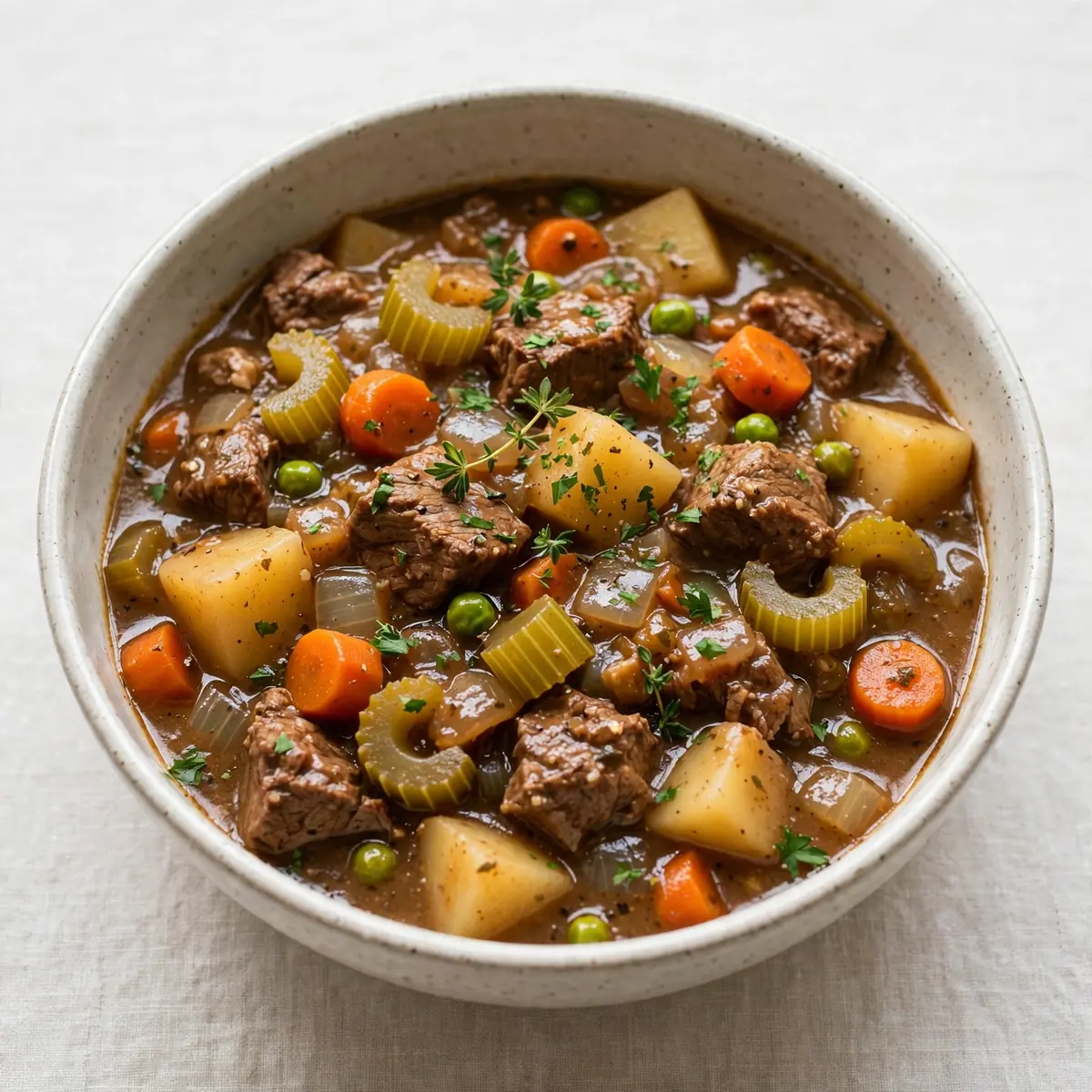
There are few greater pleasures than surrendering a whole Saturday to a pot that will reward you with tender meat and a rich, aromatic gravy. This Classic Beef Stew with Vegetables is less a recipe and more an invitation to slow down, fill your kitchen with savoury steam, and create something deeply satisfying. Let’s get that pot on the stove.
Recipe Overview
- Prep time: 25 minutes
- Cook time: 2 hours 30 minutes
- Total time: 2 hours 55 minutes
- Servings: 6 generous portions
- Difficulty: Easy (requires patience, not skill)
Why You’ll Love This Classic Beef Stew with Vegetables
- The beef turns meltingly tender after a long, gentle simmer, so each bite practically falls apart.
- It fills your entire home with a deep, savoury aroma that promises comfort long before dinner is served.
- You can prep everything in one pot, meaning less washing up and more time to put your feet up.
- It’s a complete meal in a bowl, packed with hearty vegetables that soak up all the flavourful gravy.
- Leftovers taste even better the next day, making it the perfect make-ahead weekend project.
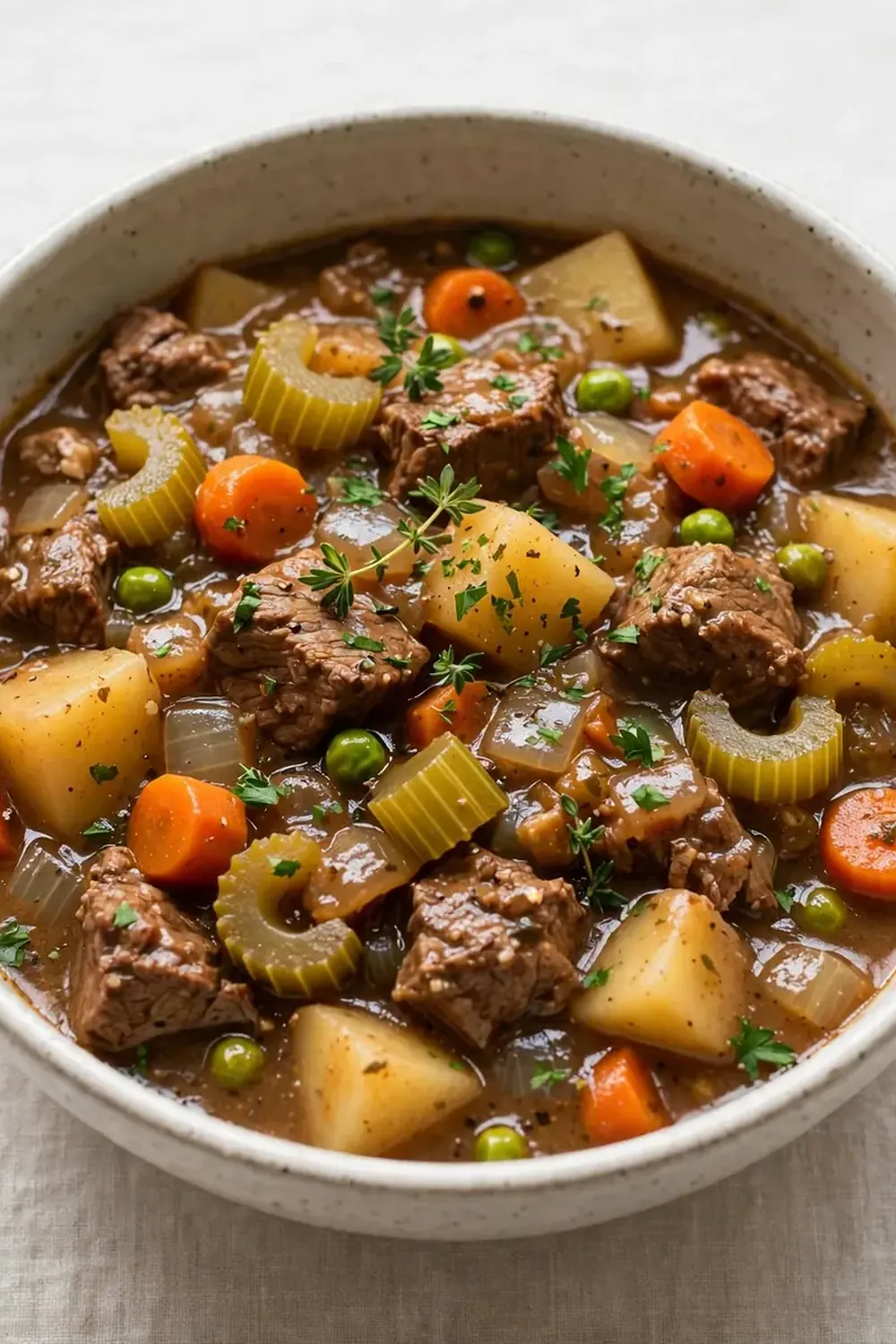
Ingredients You’ll Need
- 1.2 kg braising beef (chuck or brisket), cut into 5cm chunks
- 3 tablespoons plain flour
- 2 teaspoons fine sea salt
- 1 teaspoon freshly ground black pepper
- 3 tablespoons sunflower or vegetable oil
- 2 large onions, roughly chopped
- 4 garlic cloves, finely minced
- 3 tablespoons tomato purée
- 500 ml beef stock (ideally homemade or a good-quality low-salt variety)
- 400 ml cold water
- 3 large carrots, peeled and cut into 3cm chunks
- 3 celery sticks, cut into 2cm slices
- 400 g waxy potatoes (such as Maris Piper or Charlotte), peeled and cut into 4cm chunks
- 2 bay leaves
- 3 sprigs fresh thyme
- 1 tablespoon Worcestershire sauce (ensure halal-friendly brand)
- 100 g frozen peas
Tip: For the deepest flavour, choose a braising steak with good marbling. The fat renders as it cooks, enriching the gravy without needing any extra butter or cream.
How to Make Classic Beef Stew with Vegetables
- Prepare the beef. Pat the beef chunks dry with kitchen paper (this is vital for a good sear). In a large bowl, toss the meat with the flour, salt, and pepper until every piece is lightly coated. The flour will help thicken the stew later. You’ll hear a soft rustle as the beef moves in the bowl.
- Sear the meat in batches. Heat 1 tablespoon of oil in a large, heavy-based pot or Dutch oven over a medium-high heat until it shimmers. Add half the beef in a single layer — do not overcrowd. Let it cook undisturbed for 3–4 minutes. Listen for a steady, deep sizzle; if the pan goes quiet, it’s too crowded. Once the underside is a deep mahogany brown, turn the pieces. Remove to a plate. Repeat with more oil and the remaining beef.
- Soften the vegetables. Lower the heat to medium. Add the remaining oil, then tip in the chopped onions. Stir occasionally for 6–8 minutes until they turn translucent and begin to catch at the edges, releasing a sweet, mellow smell. Add the garlic and cook for 30 seconds until fragrant — you’ll smell it immediately.
- Build the flavour base. Stir in the tomato purée and cook for 2 minutes, scraping the bottom of the pot with a wooden spoon. The purée will darken slightly and smell richer. Pour in a splash of the beef stock (about 100 ml) and use the spoon to lift all the browned bits off the bottom — that’s pure flavour. Now add the remaining stock, the water, the bay leaves, and the thyme sprigs.
- Return the beef and simmer. Tip the seared beef and any resting juices back into the pot. Bring the liquid to a gentle boil — you’ll see lazy bubbles breaking the surface. Immediately reduce the heat to low, put the lid on, and let it simmer very quietly. The sound should be a soft murmur, not a vigorous bubble. Cook for 1 hour 30 minutes.
- Add the root vegetables. After the first long simmer, remove the lid. The liquid will have reduced slightly and the beef will be starting to pull apart. Add the carrots, celery, and potatoes, pushing them down into the liquid. Replace the lid and continue to simmer for another 45 minutes, until the potatoes are tender when pierced with a fork and the beef shreds effortlessly.
- Finish with peas and season. Remove the bay leaves and thyme stems (the leaves will have fallen off). Stir in the Worcestershire sauce and the frozen peas. Cook without the lid for 5 minutes, letting the peas turn bright green and the gravy thicken to a glossy, spoon-coating consistency. Taste and adjust salt and pepper as needed.
- Rest before serving. Take the pot off the heat and let it stand for 10–15 minutes. This resting time allows the flavours to settle and the gravy to thicken slightly. The stew will look even more inviting as the surface steams.
Tips From My Kitchen
- Use the right cut of beef. Braising cuts like chuck, brisket, or shin are essential. They contain collagen that breaks down into gelatine during long cooking, creating a silky, unctuous gravy. Lean cuts like sirloin will turn tough and dry.
- Dry the beef thoroughly before searing. Any moisture on the surface will steam instead of sear, preventing that deep brown crust. I pat the pieces dry with kitchen paper and let them sit uncovered on a tray for 10 minutes before flouring.
- Don’t skip browning in batches. If you crowd the pan, the temperature drops and the meat stews in its own liquid. You’ll lose the caramelised flavour that makes this stew special. Brown in two or three batches, giving each piece room to breathe.
- Simmer low and slow. A vigorous boil will toughen the meat and make the vegetables mushy. The liquid should barely tremble — the smallest bubbles rising to the surface. If your hob runs hot, use a diffuser or move the pot slightly off-centre.
- Make it a day ahead. This stew improves overnight as the flavours meld. Cool it completely (I leave it on the counter for an hour, then refrigerate), and reheat gently the next day. The gravy will be thicker and the taste deeper. My kids absolutely devour this every time I make it, and I make this at least once a week – it’s become a family favourite.
Common Mistakes to Avoid
- Overcrowding the pan: When searing, the meat needs space. If you pile it all in at once, it releases water and steams rather than browns. Brown in small batches, and you’ll be rewarded with a deeper, more complex flavour in the finished stew.
- Wrong temperature: A common error is cooking the stew at too high a temperature. Keep the heat low after the initial sear. The liquid should barely simmer — around 85–90°C if you have a thermometer. Any hotter and the beef becomes stringy.
- Skipping the rest time: I know it’s tempting to serve immediately, but letting the stew rest off the heat for 10–15 minutes allows the gravy to thicken and the flavours to marry. You’ll notice a significant difference in texture and taste.
What to Serve With Classic Beef Stew with Vegetables
- Thick slices of crusty bread or a warm baguette for dipping into the gravy.
- Fluffy mashed potatoes or buttery egg noodles if you want extra carbs.
- A simple green salad with a sharp vinaigrette to cut through the richness.
- Steamed green beans or tenderstem broccoli for a pop of colour.
Still hungry for ideas? You might also love Classic Stovetop Beef Stew, Hearty Crockpot Beef Stew With Sweet Potatoes from our sister kitchens.
Frequently Asked Questions
Classic Beef Stew with Vegetables
Ingredients
Method
- Prepare the beef. Pat the beef chunks dry with kitchen paper (this is vital for a good sear). In a large bowl, toss the meat with the flour, salt, and pepper until every piece is lightly coated. The flour will help thicken the stew later. You’ll hear a soft rustle as the beef moves in the bowl.
- Sear the meat in batches. Heat 1 tablespoon of oil in a large, heavy-based pot or Dutch oven over a medium-high heat until it shimmers. Add half the beef in a single layer — do not overcrowd. Let it cook undisturbed for 3–4 minutes. Listen for a steady, deep sizzle; if the pan goes quiet, it’s too crowded. Once the underside is a deep mahogany brown, turn the pieces. Remove to a plate. Repeat with more oil and the remaining beef.
- Soften the vegetables. Lower the heat to medium. Add the remaining oil, then tip in the chopped onions. Stir occasionally for 6–8 minutes until they turn translucent and begin to catch at the edges, releasing a sweet, mellow smell. Add the garlic and cook for 30 seconds until fragrant — you’ll smell it immediately.
- Build the flavour base. Stir in the tomato purée and cook for 2 minutes, scraping the bottom of the pot with a wooden spoon. The purée will darken slightly and smell richer. Pour in a splash of the beef stock (about 100 ml) and use the spoon to lift all the browned bits off the bottom — that’s pure flavour. Now add the remaining stock, the water, the bay leaves, and the thyme sprigs.
- Return the beef and simmer. Tip the seared beef and any resting juices back into the pot. Bring the liquid to a gentle boil — you’ll see lazy bubbles breaking the surface. Immediately reduce the heat to low, put the lid on, and let it simmer very quietly. The sound should be a soft murmur, not a vigorous bubble. Cook for 1 hour 30 minutes.
- Add the root vegetables. After the first long simmer, remove the lid. The liquid will have reduced slightly and the beef will be starting to pull apart. Add the carrots, celery, and potatoes, pushing them down into the liquid. Replace the lid and continue to simmer for another 45 minutes, until the potatoes are tender when pierced with a fork and the beef shreds effortlessly.
- Finish with peas and season. Remove the bay leaves and thyme stems (the leaves will have fallen off). Stir in the Worcestershire sauce and the frozen peas. Cook without the lid for 5 minutes, letting the peas turn bright green and the gravy thicken to a glossy, spoon-coating consistency. Taste and adjust salt and pepper as needed.
- Rest before serving. Take the pot off the heat and let it stand for 10–15 minutes. This resting time allows the flavours to settle and the gravy to thicken slightly. The stew will look even more inviting as the surface steams.
Notes
I hope this Classic Beef Stew with Vegetables becomes your new favourite weekend project. It’s the kind of meal that brings everyone to the table, talking and laughing as the steam rises. Have you made it? I’d love to know how it turned out — drop a comment below and share your experience. For another hearty, warming dish, you might enjoy our Beef And Bean Chili Award Winning or the ever-reliable Classic Chicken Pot Pie. Happy cooking!