Classic Spaghetti With Meat Sauce
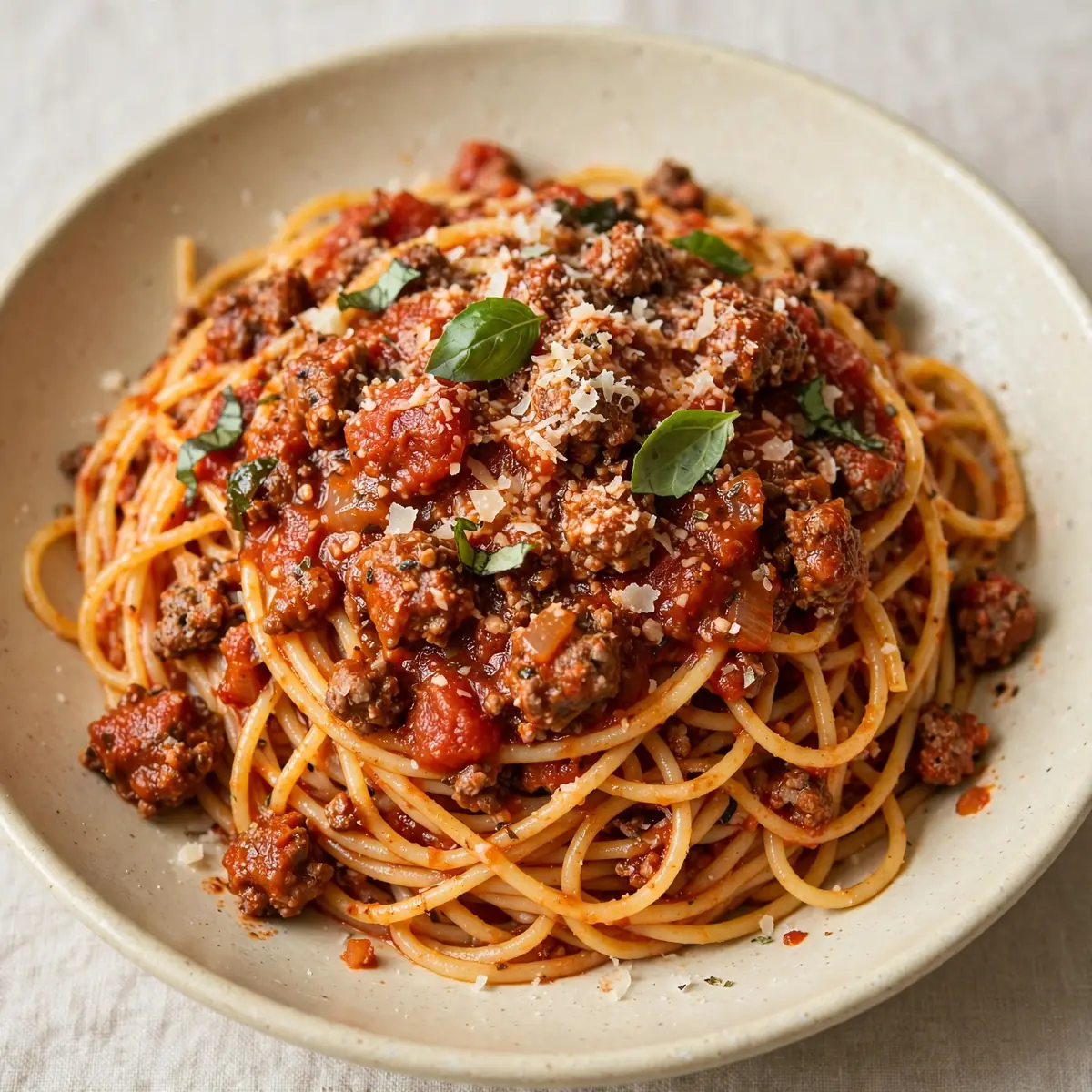
There are few things more soothing than the slow, deliberate rhythm of a weekend spent in the kitchen, and for me, that rhythm almost always begins with a heavy pot and the scent of sizzling onions. The air grows thick and fragrant, a gentle promise of the meal to come, and the rest of the world simply falls away. This Classic Spaghetti with Meat Sauce is my go-to project when I want to feel that quiet sense of accomplishment, a bowl of deep, savoury comfort that repays every patient minute with pure, unadulterated joy.
Recipe Overview
- Prep Time: 20 minutes
- Cook Time: 1 hour 30 minutes
- Total Time: 1 hour 50 minutes
- Servings: 6 generous portions
- Difficulty: Easy
Why You’ll Love This Classic Spaghetti with Meat Sauce
- Deep, Layered Flavour: The long, slow simmer transforms simple ingredients into a rich, complex sauce that tastes like it has been bubbling away all day.
- Perfect for Meal Prep: This sauce only gets better after a night in the fridge, making it a brilliant make-ahead option for busy weeks.
- A True Family Meal: It’s the kind of dinner that brings everyone to the table, and my kids absolutely devour this every time I make it.
- Freezes Beautifully: Double the batch and stash half in the freezer for a ready-made dinner that tastes entirely homemade.
- Simple, Honest Ingredients: No tricky techniques or hard-to-find items here — just good, wholesome food that works.
Ingredients You’ll Need
- 2 tablespoons olive oil
- 1 large onion, finely chopped
- 2 large carrots, finely diced
- 2 celery sticks, finely diced
- 4 cloves garlic, minced
- 500g beef mince
- 250g pork mince
- 1 tablespoon tomato purée
- 800g tinned chopped tomatoes
- 250ml beef stock
- 1 teaspoon dried oregano
- 1 dried bay leaf
- Salt and black pepper, to taste
- 500g dried spaghetti
- Freshly grated Parmesan, to serve
Tip: For the best texture, use a mix of beef and pork mince. The pork adds a gentle sweetness and tenderness that beef alone can’t match.
How to Make Classic Spaghetti with Meat Sauce
- Sweat the vegetables: Warm the olive oil in a large, heavy-bottomed pot over a medium heat. Add the onion, carrot, and celery. Cook for 8–10 minutes, stirring occasionally, until the vegetables have softened and turned translucent. You should see the edges beginning to turn a pale gold, and the kitchen will smell sweet and earthy.
- Brown the meat: Turn the heat up to medium-high. Add both minces to the pot, breaking them up with a wooden spoon. Let the meat sit undisturbed for 3–4 minutes to develop a deep, caramelised crust. The sizzling sound will be vigorous at first, then quieten as moisture evaporates. Stir and continue cooking until no pink remains and the meat is a rich, nutty brown.
- Bloom the paste and garlic: Push the meat to one side of the pot. Add the tomato purée and minced garlic to the empty space. Stir them together for 1 minute until the paste darkens to a rusty red and smells intensely savoury. This step unlocks the purée’s full flavour.
- Build the sauce: Pour in the tinned tomatoes and beef stock, scraping the bottom of the pot with your spoon to lift up any browned bits. Add the dried oregano and bay leaf. Season with a generous pinch of salt and a few grinds of black pepper. Bring the sauce to a gentle bubble — you’ll see small, lazy bubbles breaking the surface.
- Simmer low and slow: Reduce the heat to low so the sauce barely murmurs. Partially cover the pot and let it cook for 1 hour to 1 hour 15 minutes. Stir every 15 minutes or so. The sauce will thicken and deepen in colour, turning a dark, glossy mahogany. When it’s ready, the sauce will coat the back of a spoon and release a heady, concentrated aroma.
- Cook the spaghetti: About 10 minutes before the sauce is finished, bring a large pot of generously salted water to a rolling boil. Add the spaghetti and cook until al dente according to package instructions. The pasta should be firm to the bite, with a tiny white speck in the centre when you cut a strand.
- Bring it together: Reserve a cup of pasta cooking water before draining the spaghetti. Return the drained spaghetti to the pot and ladle over a generous amount of the meat sauce. Toss everything together with tongs, adding a splash of the reserved pasta water if the sauce feels too thick. The water helps the sauce cling to every strand of pasta. Serve immediately with a shower of Parmesan.
Tips From My Kitchen
- Grate your own vegetables: Finely dicing the carrot, onion, and celery creates a ‘sofrito’ that melts into the sauce, adding sweetness and body without any chunky texture. If you have a food processor, give them a quick pulse — it saves time and keeps the pieces uniform.
- Don’t rush the browning: The deep, savoury flavour of this sauce comes from the Maillard reaction on the meat. Let it sit in the hot pan until it forms a dark crust before you stir. This is the single most important step for a rich sauce, and it takes patience. After testing this recipe five times, I finally got it just right by letting the pan speak to me — listen for the crackle to turn to a steady sizzle.
- Use whole tinned tomatoes and crush them yourself: Whole tomatoes are often better quality than pre-crushed ones. Simply tip them into a bowl and crush them with your hands or a potato masher before adding them to the pot. You’ll get a fresher, less metallic flavour.
- Simmer, don’t boil: A rapid boil will toughen the meat and reduce the sauce unevenly. Keep the heat low so the sauce gently bubbles, like a quiet conversation. This slow simmer allows the flavours to meld and the meat to become meltingly tender.
- Season in layers: Add a little salt at each stage — with the vegetables, with the meat, and with the tomatoes. This builds flavour from the ground up rather than relying on a heavy hand at the end. Taste the sauce after 45 minutes and adjust accordingly.
Equipment You’ll Need
- Large pot for boiling spaghetti
- Colander for draining pasta
- Large, heavy-bottomed pot or Dutch oven for the sauce
- Wooden spoon or heatproof spatula
- Tongs or a pasta fork for serving
- Measuring spoons and cups
Common Mistakes to Avoid
- Overcrowding the pan: If you add too much meat at once, the pan temperature drops and the meat steams instead of browning. Brown the mince in two batches if necessary, or use a wider pan. Proper browning equals proper flavour.
- Wrong temperature: Cooking the sauce over too high a heat will cause it to reduce too quickly, leaving you with a thin, watery sauce and tough meat. Keep it at a gentle simmer — around 85-90°C if you have a thermometer — and you’ll be rewarded with a thick, luscious sauce.
- Skipping the rest time: Letting the sauce sit off the heat for 10 minutes before serving allows the flavours to settle and marry. This short rest also thickens the sauce slightly as it cools, ensuring it clings perfectly to the pasta rather than pooling at the bottom of the bowl.
Delicious Variations to Try
- Spicy Version: Add 1–2 finely chopped red chillies with the garlic, or stir in a teaspoon of red pepper flakes along with the tinned tomatoes. The heat cuts through the richness beautifully.
- Vegetarian/Vegan Option: Replace the meat with 400g of finely chopped mushrooms and a cup of cooked lentils. Sauté the mushrooms until they release their liquid and turn golden before proceeding with the recipe. Use vegetable stock instead of beef stock.
- Different Protein: Swap the pork mince for turkey mince or use all beef mince for a leaner, beefier flavour. For a rich twist, add 200g of finely chopped chicken livers along with the beef — they melt into the sauce and add an incredible depth.
What to Serve With Classic Spaghetti with Meat Sauce
- A simple green salad with a sharp vinaigrette to cut through the richness.
- Garlic bread or crusty sourdough for sopping up every last bit of sauce.
- A side of Southern Collard Greens for a touch of bitter contrast.
- Steamed green beans tossed with butter and lemon zest.
Still hungry for ideas? You might also love Classic Spaghetti With Meat Sauce Recipe from our sister kitchens.
Frequently Asked Questions
Classic Spaghetti with Meat Sauce
Ingredients
Method
- Sweat the vegetables: Warm the olive oil in a large, heavy-bottomed pot over a medium heat. Add the onion, carrot, and celery. Cook for 8–10 minutes, stirring occasionally, until the vegetables have softened and turned translucent. You should see the edges beginning to turn a pale gold, and the kitchen will smell sweet and earthy.
- Brown the meat: Turn the heat up to medium-high. Add both minces to the pot, breaking them up with a wooden spoon. Let the meat sit undisturbed for 3–4 minutes to develop a deep, caramelised crust. The sizzling sound will be vigorous at first, then quieten as moisture evaporates. Stir and continue cooking until no pink remains and the meat is a rich, nutty brown.
- Bloom the paste and garlic: Push the meat to one side of the pot. Add the tomato purée and minced garlic to the empty space. Stir them together for 1 minute until the paste darkens to a rusty red and smells intensely savoury. This step unlocks the purée’s full flavour.
- Build the sauce: Pour in the tinned tomatoes and beef stock, scraping the bottom of the pot with your spoon to lift up any browned bits. Add the dried oregano and bay leaf. Season with a generous pinch of salt and a few grinds of black pepper. Bring the sauce to a gentle bubble — you’ll see small, lazy bubbles breaking the surface.
- Simmer low and slow: Reduce the heat to low so the sauce barely murmurs. Partially cover the pot and let it cook for 1 hour to 1 hour 15 minutes. Stir every 15 minutes or so. The sauce will thicken and deepen in colour, turning a dark, glossy mahogany. When it’s ready, the sauce will coat the back of a spoon and release a heady, concentrated aroma.
- Cook the spaghetti: About 10 minutes before the sauce is finished, bring a large pot of generously salted water to a rolling boil. Add the spaghetti and cook until al dente according to package instructions. The pasta should be firm to the bite, with a tiny white speck in the centre when you cut a strand.
- Bring it together: Reserve a cup of pasta cooking water before draining the spaghetti. Return the drained spaghetti to the pot and ladle over a generous amount of the meat sauce. Toss everything together with tongs, adding a splash of the reserved pasta water if the sauce feels too thick. The water helps the sauce cling to every strand of pasta. Serve immediately with a shower of Parmesan.
Notes
I hope this recipe becomes a cherished part of your weekend routine, just as it has in mine. There’s something profoundly satisfying about filling your home with that slow, savoury scent and knowing a deeply comforting meal is on its way. If you give it a try, I’d love to hear how it turned out — leave a comment below and share your own kitchen stories. And if you’re looking for another hearty meal to fill the house with good smells, you might enjoy this Classic Shepherds Pie With Ground Beef or a warm Classic Chicken Pot Pie for a change of pace. Happy cooking!