Chicken Piccata With Capers
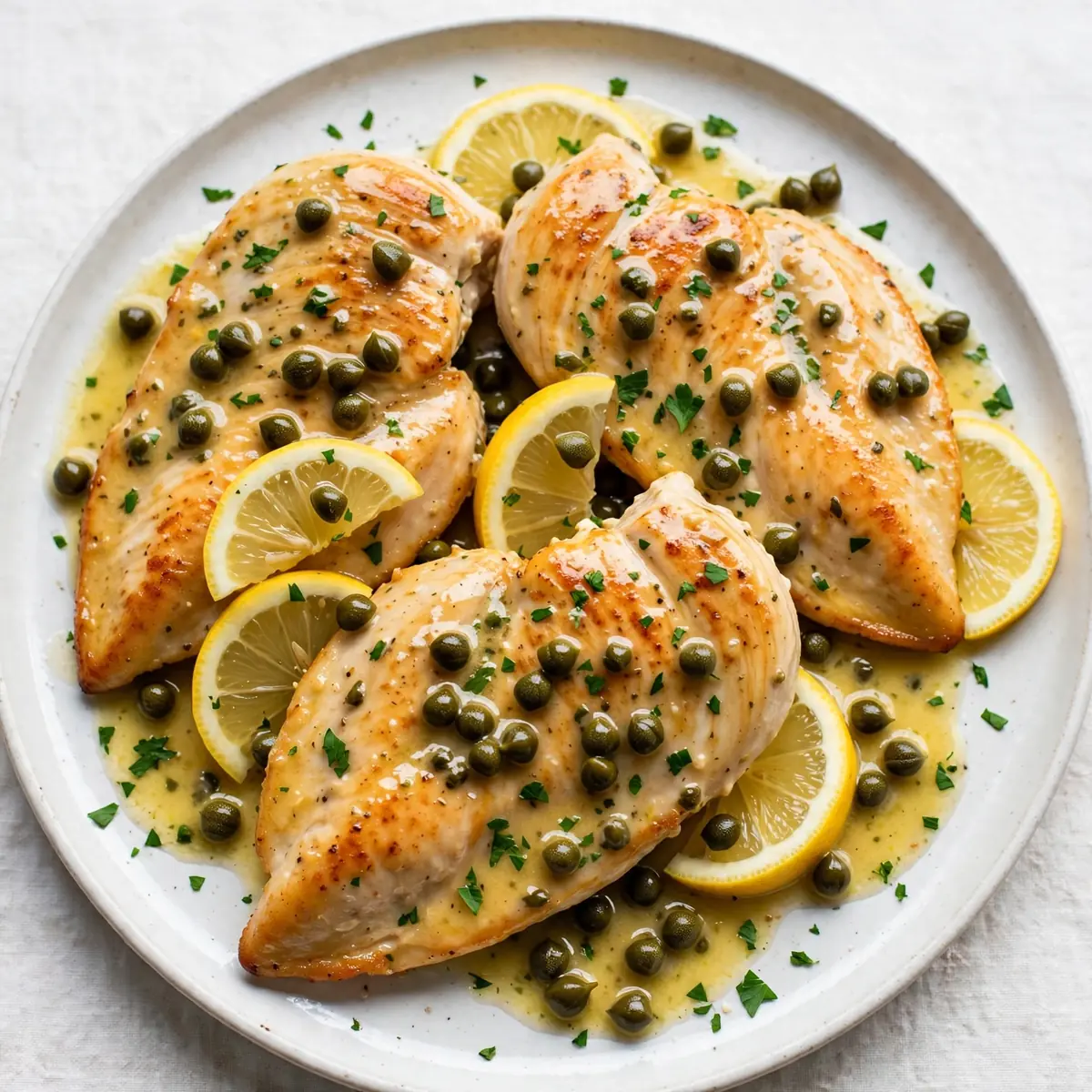
There are few greater joys on a drizzly weekend than the slow, deliberate ritual of making a proper chicken piccata with capers. It’s not about rushing; it’s about the scent of butter browning in the pan, the bright, sharp hiss of lemon hitting a hot surface, and the satisfying, quiet moment when you slide a perfectly golden piece of chicken onto a plate. This is a dish that asks you to slow down, and I promise, it rewards you handsomely for the time you give it.
Recipe Overview
- Prep Time: 20 minutes
- Cooking Time: 25 minutes
- Total Time: 45 minutes
- Servings: 4
- Difficulty: Comfortably Intermediate
Why You’ll Love This Chicken Piccata with Capers
- Deeply Satisfying Aromas: The kitchen fills with a gorgeous, buttery fragrance mixed with the zest of fresh lemon and the briny pop of capers — it’s a scent that promises a cosy meal ahead.
- A Truly Tangy Sauce: That glossy, butter-licked sauce is the star of the show. It clings to the chicken and is just begging to be mopped up with crusty bread or a pile of buttery pasta.
- Gentle, Deliberate Cooking: This isn’t a frantic weeknight dinner. Each step, from pounding the chicken to whisking the sauce, is a quiet, mindful process that feels wonderfully therapeutic.
- Golden, Crisp Crust: Achieving that perfect, thin, shatteringly golden crust on the chicken is a small triumph. My kids absolutely devour this every time I make it, fighting over the crispiest edges.
- Restaurant-Quality at Your Table: You’ll feel a genuine sense of pride serving this. It looks and tastes like something from a lovely trattoria, but it’s entirely your own creation.
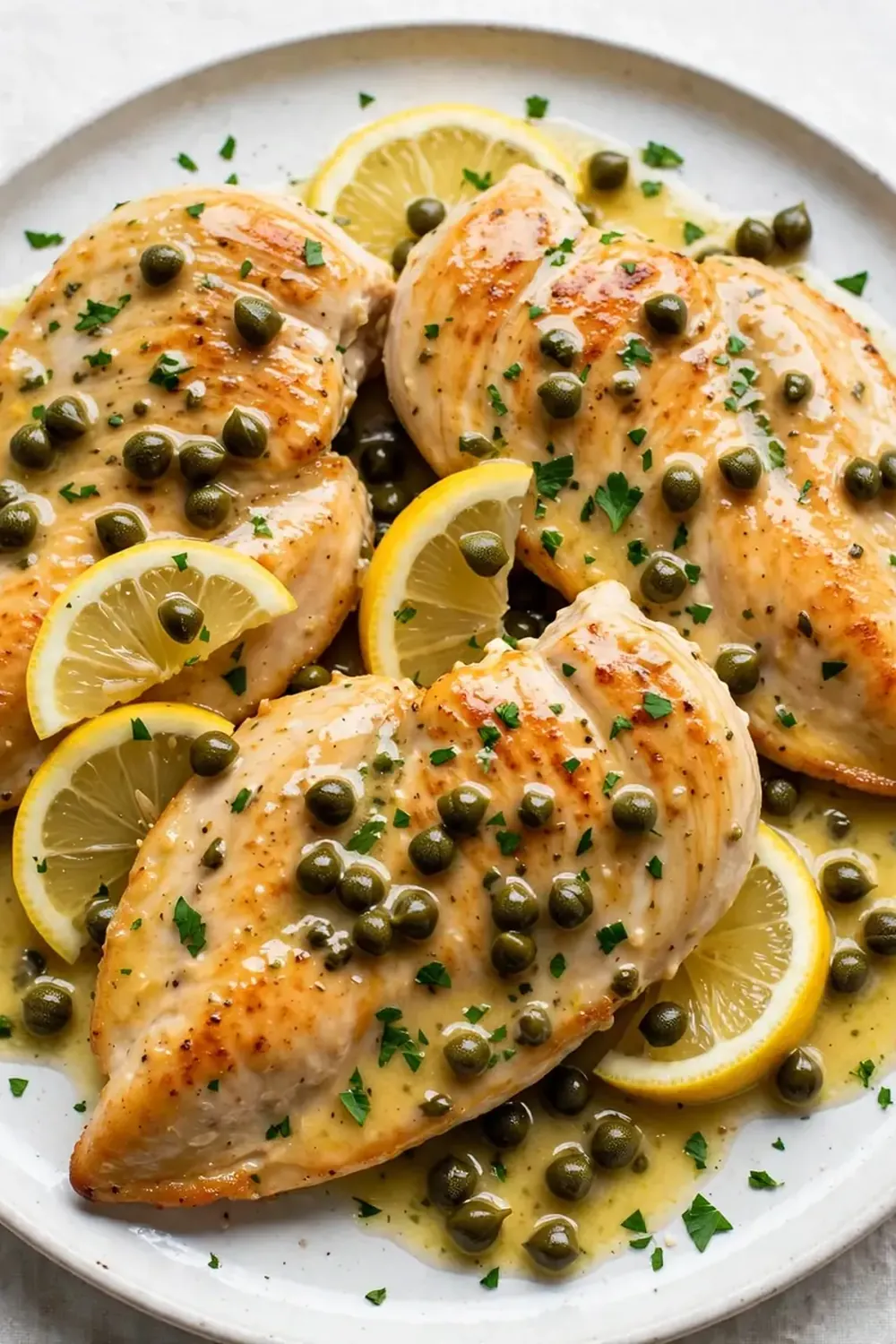
Ingredients You’ll Need
- 4 boneless, skinless chicken breasts (about 600g total)
- 60g plain flour, for dusting
- 1 teaspoon fine sea salt
- ½ teaspoon freshly ground black pepper
- 3 tablespoons olive oil
- 3 tablespoons unsalted butter
- 2 garlic cloves, thinly sliced
- 120ml chicken stock (use a good quality one)
- Juice of 1½ large lemons (about 90ml)
- 3 tablespoons capers, drained and rinsed
- 2 tablespoons fresh flat-leaf parsley, finely chopped
- Lemon slices, to garnish
Tip: For the most tender result, look for chicken breasts of even thickness, or be prepared to pound them so they cook evenly. Using a good, unsalted butter is vital here — it controls the salt level in the final sauce.
How to Make Chicken Piccata with Capers
- Prepare the Chicken: Place a chicken breast between two sheets of cling film. Use a rolling pin or a heavy saucepan to gently pound it until it’s an even 1cm thickness. You’ll feel the meat relax and soften under the pressure. Repeat with all breasts. The sound is a soft, muffled thud — you’re not trying to destroy it, just to create an even canvas.
- Dredge the Cutlets: On a large plate, combine the flour, salt, and pepper. Working with one piece at a time, dredge the chicken in the seasoned flour, pressing lightly so it sticks. Shake off any excess. The chicken should feel dry and powdery to the touch, with an even, thin coating. This is the key to that golden crust.
- Brown the Chicken: Heat the olive oil in a large, heavy-based frying pan over a medium-high flame. When the oil shimmers and a fleck of flour sizzles on contact, lay the chicken pieces in a single layer. Do not crowd the pan. You’ll hear a vigorous, happy sizzle. Cook for 3-4 minutes until the underside is a deep, burnished gold and the edges are lacy and crisp. The aroma of toasting flour and oil will fill the kitchen. Flip and cook for another 2-3 minutes until golden on the second side. Transfer to a clean plate and tent loosely with foil.
- Start the Sauce: Lower the heat to medium. Add the butter to the same pan. Watch it melt, foam, and then turn a light, nutty brown. You’ll smell a rich, toasty fragrance. Toss in the sliced garlic and cook for 30 seconds, just until it’s fragrant and very slightly softened — the smell of garlic mellowing in butter is pure comfort.
- Deglaze and Simmer: Pour in the chicken stock and lemon juice. The liquid will hiss and steam dramatically as it hits the hot pan. Using a wooden spoon, scrape up all the browned bits from the bottom of the pan — that’s where the deep flavour lives. The sound will settle into a gentle bubble. Let the sauce simmer for 2-3 minutes, until it has reduced slightly and looks glossy and cohesive.
- Finish with Capers and Parsley: Stir in the drained capers and half the chopped parsley. Let the sauce bubble for another minute. The capers will release their briny tang into the sauce, creating a lovely balance. The texture should be silky and slightly thickened, not watery.
- Return the Chicken: Slide the chicken pieces back into the pan, nestling them into the sauce. Spoon some of the buttery, lemony liquid over the top of each piece. Let everything warm through together for 1-2 minutes. The chicken will gently reabsorb some of the sauce, becoming incredibly tender.
- Rest and Serve: Remove the pan from the heat. Let it rest for just 2 minutes before serving. This allows the sauce to settle and the chicken to relax. Sprinkle with the remaining parsley and garnish with fresh lemon slices.
Tips From My Kitchen
- Pound for Perfection: I cannot stress this enough. A chicken breast is not a uniform shape. If you don’t pound it to an even thickness, the thin tail will be dry and overcooked while the thick end is still raw in the middle. The even thickness ensures a perfectly cooked, juicy piece of meat every time.
- Use a Hot Pan, Not a Scorching One: Medium-high heat is your friend. If the heat is too low, the chicken will steam in its own juices and the flour coating will turn soggy and pale. If it’s too high, the flour will burn black before the chicken is cooked through. You want a steady, lively sizzle that turns the flour a beautiful, deep golden colour.
- Don’t Overcrowd the Pan: This is a common mistake I see. If you pile all the chicken in at once, the temperature of the pan drops dramatically. The chicken will release moisture and begin to braise, not fry. You’ll lose that coveted crispy crust. Cook in batches if necessary. It adds just a few minutes and makes all the difference.
- Rinse Your Capers: Capers are preserved in a salty brine. While that flavour is wonderful, the brine can make your sauce unpleasantly salty if added directly. A quick rinse under cold water tames the saltiness while leaving all that lovely, tangy, floral flavour intact.
- Taste the Sauce Before You Add the Chicken Back: The sauce is your canvas. Before you return the chicken to the pan, taste it. Is it bright enough? Add a squeeze more lemon. Is it too sharp? A tiny pinch of sugar or a small knob of extra butter will round it out. Is it perfectly balanced? Then you’re ready to go.
- Let the Chicken Rest: That two-minute rest after you finish cooking is not optional. It allows the juices, which have been pushed to the centre of the meat by the heat, to redistribute evenly throughout the chicken. If you cut into it immediately, all those precious juices will run out onto the plate, leaving you with dry meat.
Common Mistakes to Avoid
- Overcrowding the pan: As mentioned above, this is the number one killer of a good crust. Crowding lowers the pan’s temperature, causing the chicken to steam. Always cook in a single layer with space between each piece. If you’re cooking for a crowd, use two pans or cook in batches.
- Wrong temperature: Don’t guess. Use a medium-high flame. If the oil is smoking, the pan is too hot. If the chicken is sitting in a puddle of liquid and not sizzling, the pan is too cold. The perfect temperature is when a small pinch of flour dropped into the oil sizzles immediately and turns golden in about 15 seconds.
- Skipping the rest time: I used to struggle with this dish until I discovered this technique. I’d be so eager to eat that I’d serve it straight from the pan. The result was a beautiful sauce, but slightly dry chicken. That final two-minute rest on the counter is the most important, and most often skipped, step for juicy meat.
What to Serve With Chicken Piccata with Capers
- Buttered egg noodles or a tangle of angel hair pasta to catch every drop of the sauce.
- Steamed asparagus or tenderstem broccoli, simply dressed with a squeeze of lemon.
- A crisp green salad with a light vinaigrette to cut through the richness.
- Crusty sourdough bread for mopping the plate — a non-negotiable, in my opinion.
If you’re in the mood for another comforting, oven-baked fish dish with a similar bright flavour profile, you might enjoy our Baked Lemon Herb Cod.
Frequently Asked Questions
Chicken Piccata with Capers
Ingredients
Method
- Prepare the Chicken: Place a chicken breast between two sheets of cling film. Use a rolling pin or a heavy saucepan to gently pound it until it’s an even 1cm thickness. You’ll feel the meat relax and soften under the pressure. Repeat with all breasts. The sound is a soft, muffled thud — you’re not trying to destroy it, just to create an even canvas.
- Dredge the Cutlets: On a large plate, combine the flour, salt, and pepper. Working with one piece at a time, dredge the chicken in the seasoned flour, pressing lightly so it sticks. Shake off any excess. The chicken should feel dry and powdery to the touch, with an even, thin coating. This is the key to that golden crust.
- Brown the Chicken: Heat the olive oil in a large, heavy-based frying pan over a medium-high flame. When the oil shimmers and a fleck of flour sizzles on contact, lay the chicken pieces in a single layer. Do not crowd the pan. You’ll hear a vigorous, happy sizzle. Cook for 3-4 minutes until the underside is a deep, burnished gold and the edges are lacy and crisp. The aroma of toasting flour and oil will fill the kitchen. Flip and cook for another 2-3 minutes until golden on the second side. Transfer to a clean plate and tent loosely with foil.
- Start the Sauce: Lower the heat to medium. Add the butter to the same pan. Watch it melt, foam, and then turn a light, nutty brown. You’ll smell a rich, toasty fragrance. Toss in the sliced garlic and cook for 30 seconds, just until it’s fragrant and very slightly softened — the smell of garlic mellowing in butter is pure comfort.
- Deglaze and Simmer: Pour in the chicken stock and lemon juice. The liquid will hiss and steam dramatically as it hits the hot pan. Using a wooden spoon, scrape up all the browned bits from the bottom of the pan — that’s where the deep flavour lives. The sound will settle into a gentle bubble. Let the sauce simmer for 2-3 minutes, until it has reduced slightly and looks glossy and cohesive.
- Finish with Capers and Parsley: Stir in the drained capers and half the chopped parsley. Let the sauce bubble for another minute. The capers will release their briny tang into the sauce, creating a lovely balance. The texture should be silky and slightly thickened, not watery.
- Return the Chicken: Slide the chicken pieces back into the pan, nestling them into the sauce. Spoon some of the buttery, lemony liquid over the top of each piece. Let everything warm through together for 1-2 minutes. The chicken will gently reabsorb some of the sauce, becoming incredibly tender.
- Rest and Serve: Remove the pan from the heat. Let it rest for just 2 minutes before serving. This allows the sauce to settle and the chicken to relax. Sprinkle with the remaining parsley and garnish with fresh lemon slices.
Notes
I hope this recipe encourages you to take a little time for yourself in the kitchen this weekend. The gentle sizzle, the bright aroma, and the first bite of that tender, tangy chicken is a small, perfect reward. If you make it, I’d love to hear how you got on — share your thoughts and your own little tweaks in the comments below.