Juicy Oven-Baked Chicken Breast
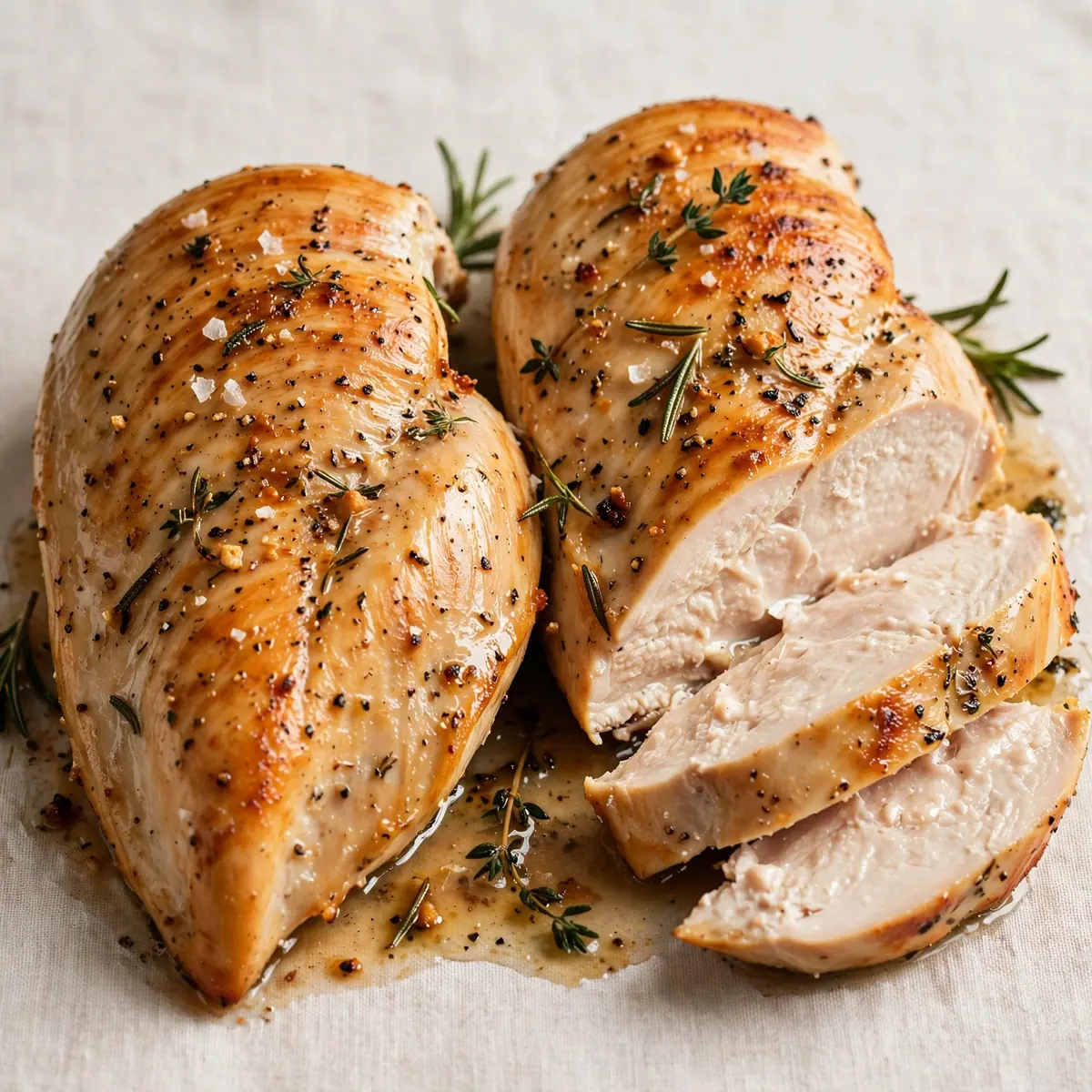
There’s a particular kind of magic that happens on a quiet Sunday afternoon when the kitchen fills with the scent of garlic, herbs, and roasting chicken. This Juicy Oven-Baked Chicken Breast is my favourite way to capture that feeling—a deliberate, slow-paced project that rewards you with tender, flavourful meat and a golden, sizzling crust. I first made it on a drizzly autumn weekend, and the aroma alone convinced my husband, who’s usually picky, to ask for seconds before the first plate was even cleared.
Recipe Overview
- Prep Time: 15 minutes
- Cook Time: 25–30 minutes
- Total Time: 45 minutes (including rest)
- Servings: 4
- Difficulty: Easy
Why You’ll Love This Juicy Oven-Baked Chicken Breast
- Deeply savoury and aromatic: The slow roasting builds layers of flavour that fill your kitchen with a cosy, welcoming scent.
- Consistently tender: A simple brine and careful timing ensure the meat stays succulent, never dry or stringy.
- Minimal hands-on effort: Most of the work is done by the oven, giving you time to set the table, read a book, or just enjoy a quiet moment.
- Perfect for leftovers: Slices beautifully for sandwiches, salads, or a quick lunch the next day.
- Endlessly adaptable: The base recipe welcomes your favourite herbs, spices, or a simple pan sauce to make it your own.
Ingredients You’ll Need
- 4 boneless, skinless chicken breasts (about 180g each)
- 1 litre cold water
- 60g fine sea salt
- 30g granulated sugar
- 30ml olive oil
- 3 cloves garlic, finely minced
- 1 teaspoon dried thyme
- 1 teaspoon dried rosemary
- ½ teaspoon smoked paprika
- ½ teaspoon freshly ground black pepper
- 30g unsalted butter, softened
- Juice of ½ lemon
- Fresh parsley, chopped, for garnish
Tip: If you can, buy free-range chicken breasts of a similar thickness. This ensures even cooking and the most tender results. The brine is optional but highly recommended for the juiciest meat.
How to Make Juicy Oven-Baked Chicken Breast
- Brine the chicken (optional but transformative): In a large bowl, dissolve the salt and sugar in the cold water. Submerge the chicken breasts completely, cover, and refrigerate for 30 minutes. You’ll notice the flesh becomes slightly firmer and paler as it absorbs the brine—this is the first sign of tender meat to come.
- Preheat and prepare: Set your oven to 200°C (400°F). While it heats, pat the chicken dry with kitchen paper. The surface should feel tacky, not wet—this is crucial for a golden crust. In a small bowl, mix the olive oil, minced garlic, thyme, rosemary, smoked paprika, and black pepper into a fragrant paste.
- Season the chicken: Rub the paste all over each breast, massaging it gently into every crevice. The smell of garlic and herbs rising as you work is the first real promise of the meal to come. Place the breasts in a 9×13 inch baking dish, leaving a little space between each piece so the heat can circulate.
- Roast until golden and sizzling: Slide the dish into the oven and bake for 20 minutes. At this point, the kitchen will be filled with a warm, herbaceous aroma. Remove the dish, top each breast with a small knob of butter, and squeeze the lemon juice over the top. Return to the oven for another 5–10 minutes. The chicken is done when the internal temperature reaches 74°C (165°F) and the juices run clear when pierced—listen for a faint sizzle as the butter bubbles.
- Rest before slicing: Transfer the chicken to a cutting board, tent loosely with foil, and let it rest for 5–7 minutes. During this time, the juices redistribute throughout the meat, ensuring every bite is moist. You’ll see the flesh relax and the surface become glossier.
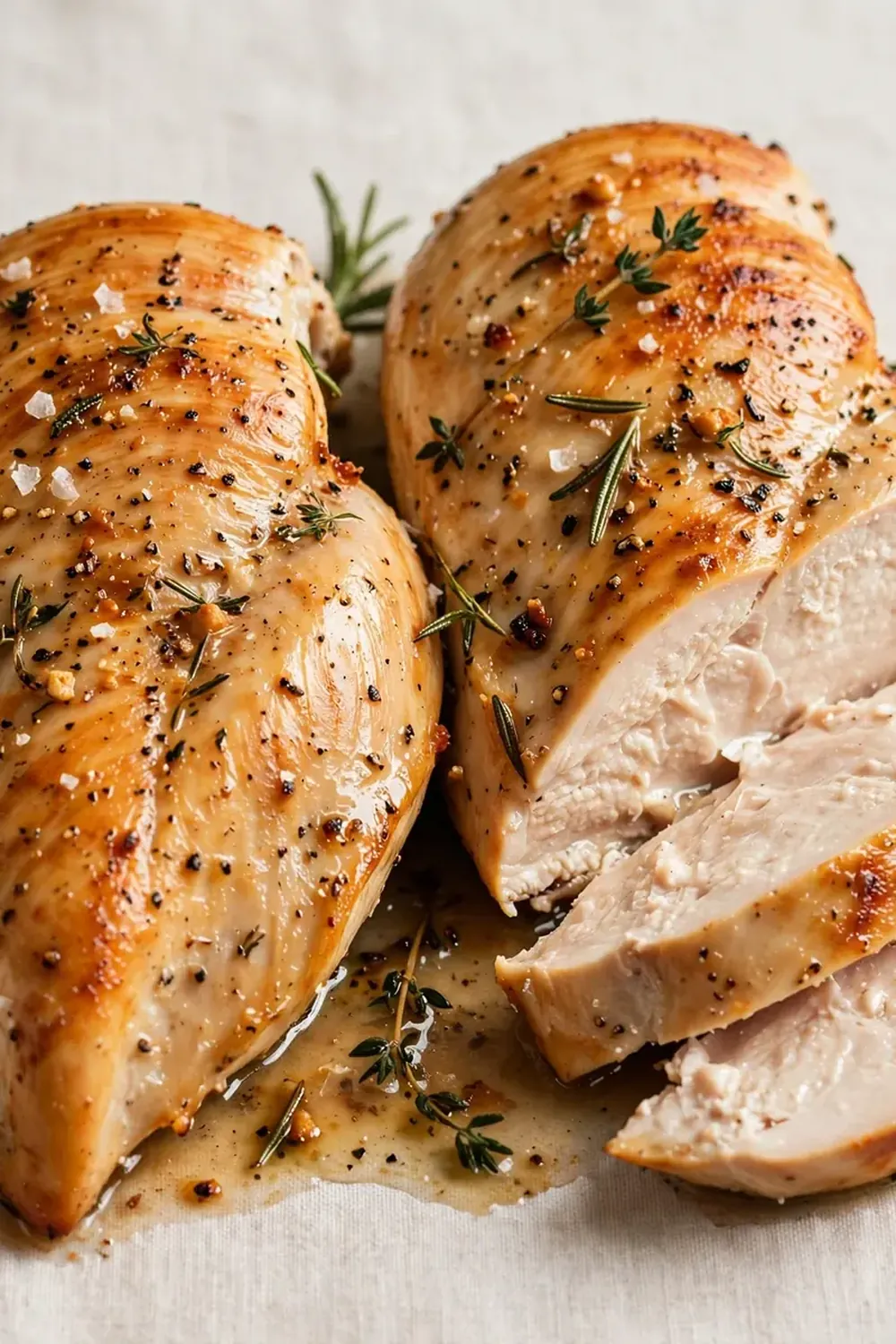
- Slice and serve: Carve each breast against the grain into thick slices. The knife should glide through with little resistance, revealing a tender, juicy interior. Spoon any pan juices over the top and garnish with fresh parsley.
Tips From My Kitchen
- Don’t skip the brine: Even a brief 30-minute soak in salt water makes a world of difference. The salt helps the chicken retain moisture during cooking, so the meat stays plump and juicy rather than drying out. It also seasons the meat from the inside out, giving you flavour in every bite.
- Pat the chicken bone-dry: After brining (or if you skip it, straight from the packet), moisture on the surface will steam the chicken instead of browning it. Use a few sheets of kitchen paper to absorb all excess liquid—the surface should feel tacky, not slippery. This step is the secret to that beautiful golden crust.
- Use a meat thermometer: Oven temperatures can vary, and chicken breast thickness differs. The only reliable way to avoid dry meat is to cook to 74°C (165°F) at the thickest part. Insert the probe sideways from the end for the most accurate reading. This is my go-to recipe when I need something quick but impressive, and the thermometer never lets me down.
- Let the meat rest—no shortcuts: Cutting into the chicken immediately after roasting causes the juices to run out onto the board, leaving you with dry meat. Resting allows those juices to settle back into the fibres. Set a timer and resist the temptation; the wait is absolutely worth it.
- Adjust thickness for even cooking: If your chicken breasts are very thick at one end and thin at the other, place them between two sheets of cling film and gently pound them to an even thickness with a rolling pin. This ensures the whole breast cooks at the same rate, so you don’t end up with a dry tail and a raw centre.
Equipment You’ll Need
- 9×13 inch baking dish
- Aluminium foil
- Mixing bowls
- Sharp knife
- Kitchen paper
- Meat thermometer (highly recommended)
- Rolling pin or meat mallet (optional, for pounding)
Common Mistakes to Avoid
- Overcrowding the pan: When chicken breasts are packed too tightly, they steam rather than roast. This prevents browning and can lead to uneven cooking. Leave at least 2cm between each breast, or use two dishes if necessary. The reward is a beautifully caramelised exterior and tender meat.
- Wrong temperature: Baking at too low a temperature (below 180°C/350°F) will dry the chicken out before it browns, while too high a temperature (above 220°C/425°F) can burn the outside before the centre is cooked. Stick to 200°C/400°F for the perfect balance of browning and moisture retention.
- Skipping the rest time: I know the aroma is tempting, but cutting into the chicken immediately after it comes out of the oven is the quickest way to lose all that carefully preserved moisture. The resting period allows the proteins to relax and the juices to redistribute, giving you a far more succulent result.
Delicious Variations to Try
- Spicy Version: Add ½ teaspoon of cayenne pepper or a finely chopped fresh chilli to the herb paste. For an extra kick, sprinkle a little smoked chilli flakes over the butter before the final roast. The heat complements the garlic and lemon beautifully.
- Vegetarian/Vegan Option: Substitute the chicken with thick slices of firm tofu or large portobello mushrooms. Use the same herb paste and butter substitute (a good vegan margarine or coconut oil). Roast for 15–20 minutes, until golden and tender. The mushrooms will release a rich, savoury liquid that mimics the pan juices perfectly.
- Different Protein: This method works wonderfully with turkey breast steaks or boneless, skinless chicken thighs. Turkey will need a similar cooking time; thighs may need an extra 5–7 minutes due to their higher fat content. For a heartier meal, try this technique with the Grilled Flank Steak With Garlic Marinade for a red meat alternative.
What to Serve With Juicy Oven-Baked Chicken Breast
- Fluffy mashed potatoes or buttery new potatoes
- Steamed green beans or a crisp garden salad
- Roasted root vegetables like carrots and parsnips
- A simple side of Classic Stuffing Recipe for a truly cosy dinner
- Warm crusty bread to mop up the pan juices
Still hungry for ideas? You might also love Comforting Oven Baked Chicken Recipe, Protein Packed Oven Baked Chicken Tenders Recipe from our sister kitchens.
Frequently Asked Questions
Juicy Oven-Baked Chicken Breast
Ingredients
Method
- Brine the chicken (optional but transformative): In a large bowl, dissolve the salt and sugar in the cold water. Submerge the chicken breasts completely, cover, and refrigerate for 30 minutes. You'll notice the flesh becomes slightly firmer and paler as it absorbs the brine—this is the first sign of tender meat to come.
- Preheat and prepare: Set your oven to 200°C (400°F). While it heats, pat the chicken dry with kitchen paper. The surface should feel tacky, not wet—this is crucial for a golden crust. In a small bowl, mix the olive oil, minced garlic, thyme, rosemary, smoked paprika, and black pepper into a fragrant paste.
- Season the chicken: Rub the paste all over each breast, massaging it gently into every crevice. The smell of garlic and herbs rising as you work is the first real promise of the meal to come. Place the breasts in a 9x13 inch baking dish, leaving a little space between each piece so the heat can circulate.
- Roast until golden and sizzling: Slide the dish into the oven and bake for 20 minutes. At this point, the kitchen will be filled with a warm, herbaceous aroma. Remove the dish, top each breast with a small knob of butter, and squeeze the lemon juice over the top. Return to the oven for another 5–10 minutes. The chicken is done when the internal temperature reaches 74°C (165°F) and the juices run clear when pierced—listen for a faint sizzle as the butter bubbles.
- Rest before slicing: Transfer the chicken to a cutting board, tent loosely with foil, and let it rest for 5–7 minutes. During this time, the juices redistribute throughout the meat, ensuring every bite is moist. You'll see the flesh relax and the surface become glossier.
- Slice and serve: Carve each breast against the grain into thick slices. The knife should glide through with little resistance, revealing a tender, juicy interior. Spoon any pan juices over the top and garnish with fresh parsley.
Notes
I hope this recipe brings the same warmth and joy to your kitchen as it does to mine. There’s something deeply satisfying about taking the time to prepare a meal with care, and this Juicy Oven-Baked Chicken Breast rewards that patience with every forkful. If you give it a try, I’d love to hear how it turned out—drop a comment below and share your experience. For more dinner inspiration, browse the Dinner Recipes collection or try the Baked Lemon Herb Cod for another simple, elegant meal.